



How to Collect Data and Identify Audience
Collecting data and identifying your remarketing audience can be divided into four basic elements:Know Your Visitors
Understanding your audience, knowing what drives them to make a purchase, and knowing their pain points is crucial if you are serious about reaching them again. You will need to rely on your CRM software and analytics data to better understand their needs and problems.Don’t Look Back
When it comes to remarketing, there is no point in focusing on why your visitors have abandoned the purchase process or failed to fill out a form. Instead, you should direct your efforts towards leading your visitors down the sales funnel.Develop Your Remarketing Audience
Establishing which actions lead to conversion, knowing the average value of purchases, how much each buyer spends on average, and how often they make purchases. Analyze your customers’ traits and preferences, and look for similar ones in your remarketing audience.Start Your Remarketing Campaign
Once you have all this information in one place, you can calibrate your remarketing campaign to target the right audience because you already know everything about them. You will know which channels they use, which means you will be able to target them there using the right ads, which will increase their chances of converting.How to Use Remarketing Offers and Deals
There are plenty of ways for attracting those visitors who bounced. For instance:Offer a Discount
A user left your website during checkout. You can get them back into your sales funnel by giving them a special offer. You can extend your offer to those who have visited your website or checked out your products page.Create Urgency with Limited Time Only Deals
These work like a charm because they introduce an element of urgency and fear of missing out on a great offer, and then regretting it later. Ads with ticking clocks are especially effective in that aspect.Show Ads Featuring Complementary Products
You have managed to convert visitors into customers doesn’t mean you are no longer a remarketing target. If they have bought a new camera through your website, they aren’t likely to look for another one, but they will need lenses, lens caps, battery grips, etc. So, make sure your ads feature those. If they have a pleasant experience during their first purchase with you, they will be sure to repeat it.How to Measure the Performance of Your Campaign
Cost per Lead/Lead Conversions
This is the number of leads resulting from your remarketing ads. The visitors may have converted by completing a form on your website or directly clicking on your ad.View Through Conversions
Many visitors will see your ad and not click on it, but which will return later and convert, using your landing page, for example. They make up your view-through conversions, which count toward your conversion total, but don’t show up in your CPL data.Nurture Touches
These are engagements from your visitors with your ads, but only those inside the mid or late-stage offers. They are crucial because they can help you generate better leads and target people who are more likely to make a purchase.Website Visits
One great thing about remarketing campaigns is that they drive more traffic to your website. Site visits are calculated through the number of visitors to your website as a result of your remarketing ad campaigns (both clickthroughs and view-throughs) or an increase in traffic after your campaign has been executed.Baytech Companies the Leading Digital Marketing Agency in Oh
 We have a disciplined work team at Baytech Columbus Digital Marketing Company. Our agency delivers positive results for Businesses, SMEs, and Companies. We provide simple and effective marketing solutions to make your company more visible.
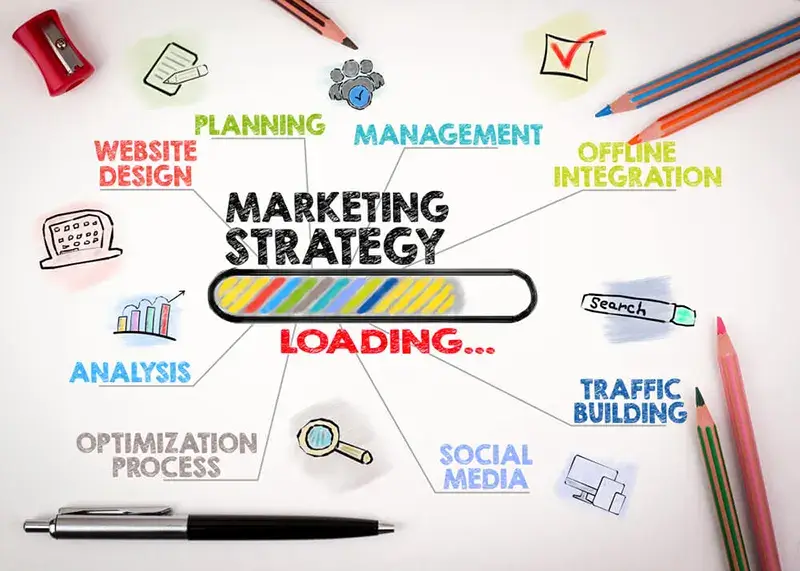
We create the marketing strategy and the online marketing plan based on inbound marketing, which consists of applying SEO techniques, blogs, content marketing, social media marketing, and e-mail marketing.
Success depends on four fundamental factors: the definition of an adequate strategy, the creation of a plan to achieve the stated objectives, the implementation tasks, analysis, and control.
We have a disciplined work team at Baytech Columbus Digital Marketing Company. Our agency delivers positive results for Businesses, SMEs, and Companies. We provide simple and effective marketing solutions to make your company more visible.
We create the marketing strategy and the online marketing plan based on inbound marketing, which consists of applying SEO techniques, blogs, content marketing, social media marketing, and e-mail marketing.
Success depends on four fundamental factors: the definition of an adequate strategy, the creation of a plan to achieve the stated objectives, the implementation tasks, analysis, and control.